Solar water heating can reduce the need to use conventional energy sources for routine hot-water requirements. However, property owners often encounter two common technologies while comparing systems: evacuated tube collector and flat plate collector designs.
For homes, hotels, hostels, institutions, and other properties in Ooty, Tamil Nadu, understanding the characteristics of an ETC solar water heater can make it easier to compare technologies based on actual hot-water demand and local operating conditions.
How an ETC Solar Water Heater Works
ETC stands for evacuated tube collector.
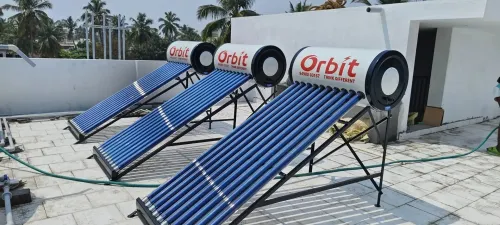
The collector contains glass tubes designed to capture solar energy and transfer heat to water through the system's heat-transfer arrangement.
The evacuated construction helps reduce heat loss from the collector, which is one reason ETC technology is commonly considered for solar water-heating applications.
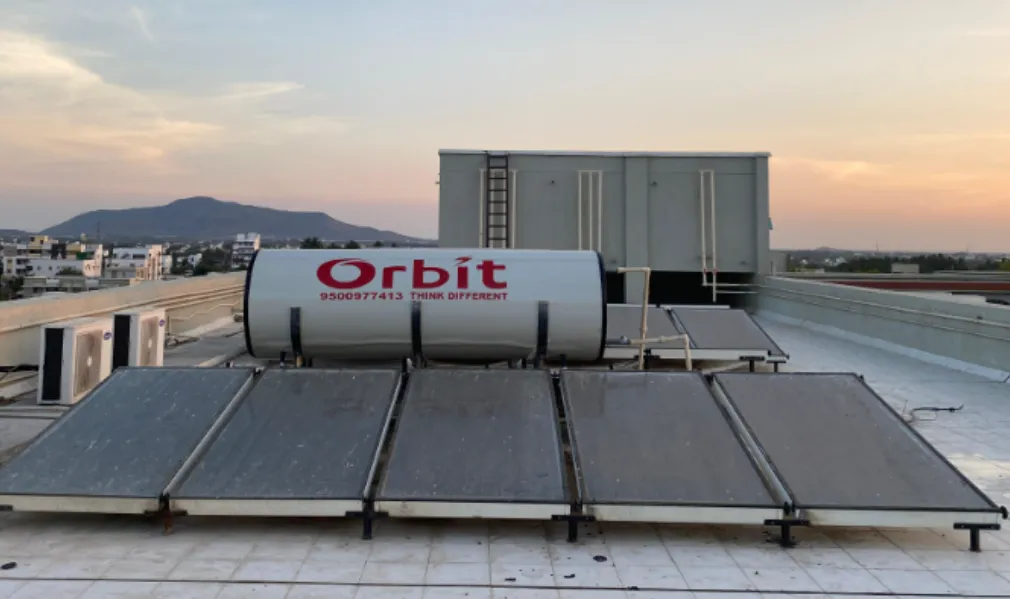
The complete installation typically includes collectors, a storage tank, plumbing, mounting arrangements, and associated components.
How FPC Technology Differs
FPC stands for flat plate collector.
Instead of multiple evacuated glass tubes, an FPC system uses a flat absorber assembly enclosed within an insulated collector.
Both technologies use solar energy for water heating, but their construction, operating characteristics, maintenance considerations, and suitability can differ.
Why Ooty Requires Site-Specific Evaluation
Ooty's cooler hill climate makes hot-water availability particularly relevant for residential and hospitality properties.
However, climate alone should not determine collector selection.
The assessment should also consider:
- Daily hot-water requirement
- Number of users
- Usage timing
- Available installation area
- Roof orientation
- Shading
- Plumbing arrangement
- Water characteristics
- Backup-heating requirements
- Maintenance accessibility
A hotel with concentrated morning hot-water demand, for example, requires a different assessment from a small residence.
Compare Capacity Based on Actual Usage
Choosing a solar water heater simply by building size can lead to poor sizing.
Daily hot-water consumption depends on the number of occupants, property type, operating practices, and fixtures being served.
For hospitality properties, occupancy variation may also need consideration.
An oversized system adds unnecessary capacity, while an undersized installation may not meet expected demand consistently.
Maintenance Should Influence the Decision
Both ETC and FPC installations require appropriate inspection and maintenance.
ETC systems contain individual tubes that require suitable handling. FPC systems have a different collector construction and associated maintenance considerations.
Water quality can also influence long-term system operation, making local conditions important when choosing equipment and planning maintenance.
Look Beyond Collector Type
Property owners sometimes reduce the comparison to 'ETC versus FPC' while overlooking other important factors.
Tank insulation, plumbing quality, system sizing, installation angle, collector placement, structural support, component quality, and workmanship can materially influence practical performance.
A correctly selected collector installed within a poorly designed system may still produce disappointing results.
Consider Backup Requirements
Solar water heating depends on available solar energy, which changes with weather and season.
Properties requiring consistent hot-water availability should understand the proposed backup arrangement and how it will operate alongside the solar system.
This is particularly relevant for hotels, healthcare facilities, hostels, and institutions where hot water may be operationally important.
Make the Decision Around the Application
Orbit Solar India Pvt Ltd manufactures and supplies renewable energy solutions that include solar water-heating systems for different applications.
For Ooty properties, choosing between ETC and FPC technology should follow an assessment of demand, site conditions, water quality, installation environment, maintenance expectations, and budget.
The better system is therefore not determined by technology alone. A properly sized and appropriately installed solar water heater that matches the property's usage pattern is more valuable than choosing a collector simply because one technology is perceived as universally superior.
Keywords