Choosing a solar water heater involves more than comparing storage capacity and price. Collector technology, water quality, installation conditions, tank construction, insulation, plumbing, maintenance, and actual hot-water consumption all influence how well the system fits a property.
For homeowners and commercial property managers in Trichy, Tamil Nadu, an FPC solar water heater can be evaluated more confidently when these factors are reviewed before purchase.
Understand FPC Technology First
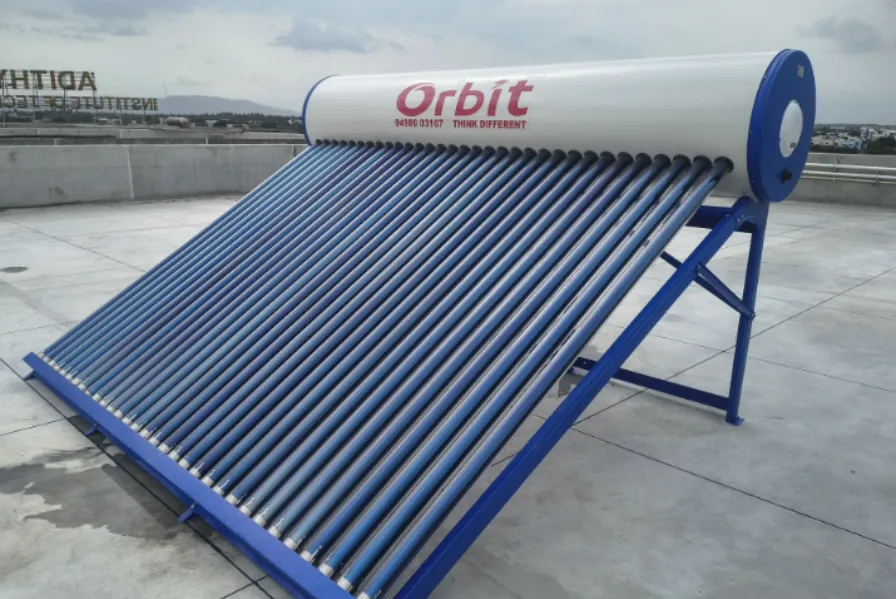
FPC stands for flat plate collector.
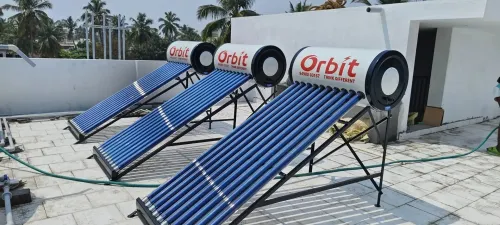
A typical FPC collector uses an absorber plate within an insulated enclosure to capture solar heat. This thermal energy is transferred through the system to heat water for storage and use.
The technology is used in residential, institutional, hospitality, and other water-heating applications.
Rather than choosing FPC simply because of familiarity with the technology, buyers should determine whether the complete system is suitable for their site and usage conditions.
Choose Capacity From Consumption
Tank capacity should reflect actual hot-water demand.
Consider the number of users, bathing patterns, kitchen requirements, commercial usage, and peak demand.
For commercial properties, average occupancy alone may not be sufficient. Peak usage can be more important because several users may require hot water within a relatively short period.
An installer should therefore ask about usage rather than recommend capacity solely from property size.
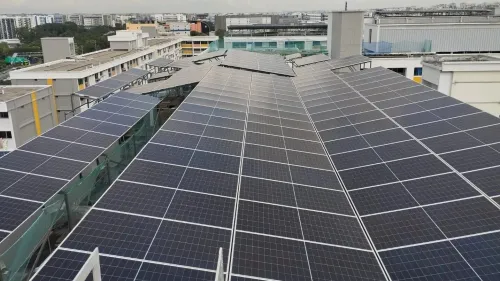
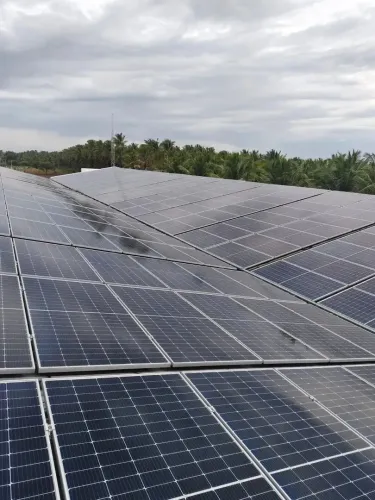
Examine Collector Placement
Collectors require suitable solar exposure.
During a site inspection, check for:
- Nearby buildings
- Trees
- Water tanks
- Parapet walls
- Rooftop equipment
- Future construction possibilities
Shadows can change throughout the day and across seasons.
The collector position should also permit safe maintenance access.
Review Tank Construction and Insulation
The storage tank is a critical part of a solar water-heating system.
Good insulation helps retain collected heat until the water is needed.
Buyers should understand tank specifications, insulation characteristics, warranty conditions, and suitability for the expected operating environment.
The cheapest tank option may not provide the best lifecycle value if heat retention or durability is inadequate.
Check Water Conditions
Local water quality should be considered before equipment selection.
Hardness, scaling potential, and other characteristics can influence maintenance and system life.
Discussing water conditions before installation allows appropriate system recommendations to be made rather than dealing with recurring problems later.
Ask How Backup Heating Works
Solar availability varies with weather.
Where hot water is required consistently, understand the auxiliary heating arrangement.
Ask when backup heating operates, how it is controlled, and whether the overall setup is appropriate for the property's usage pattern.
This can be especially important for hotels, hospitals, hostels, and other facilities where hot-water availability affects operations.
Compare Installation Quality, Not Just Equipment
Two systems using similar collector technology can perform differently because of installation.
Pipe insulation, collector positioning, plumbing layout, structural mounting, tank location, and workmanship all matter.
Orbit Solar India Pvt Ltd manufactures renewable energy equipment, including solar water-heating solutions for different customer requirements.
For properties in Trichy, a site-specific evaluation can help determine capacity, collector arrangement, storage requirements, plumbing considerations, and maintenance needs before installation.
A useful buying decision therefore considers the complete lifecycle of the system. When collector technology, capacity, tank quality, installation, water conditions, maintenance, and backup requirements are reviewed together, buyers are better positioned to select an FPC system that matches how the property actually uses hot water.
Keywords