Hot-water systems need to do more than heat water. They must also work with the property's plumbing arrangement and deliver water in a manner suitable for the fixtures being served. This becomes particularly important in buildings where users expect pressurised hot-water delivery.
For homes, villas, hotels, healthcare facilities, and commercial properties in Pondicherry, a pressured solar water heater may be appropriate when the plumbing system and hot-water requirements call for a pressure-compatible solution.
What Makes a Pressured System Different?
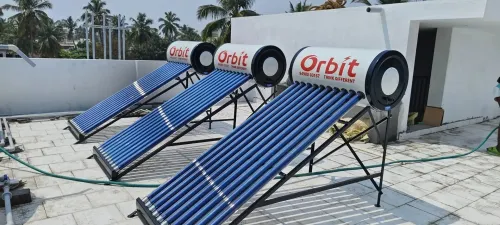
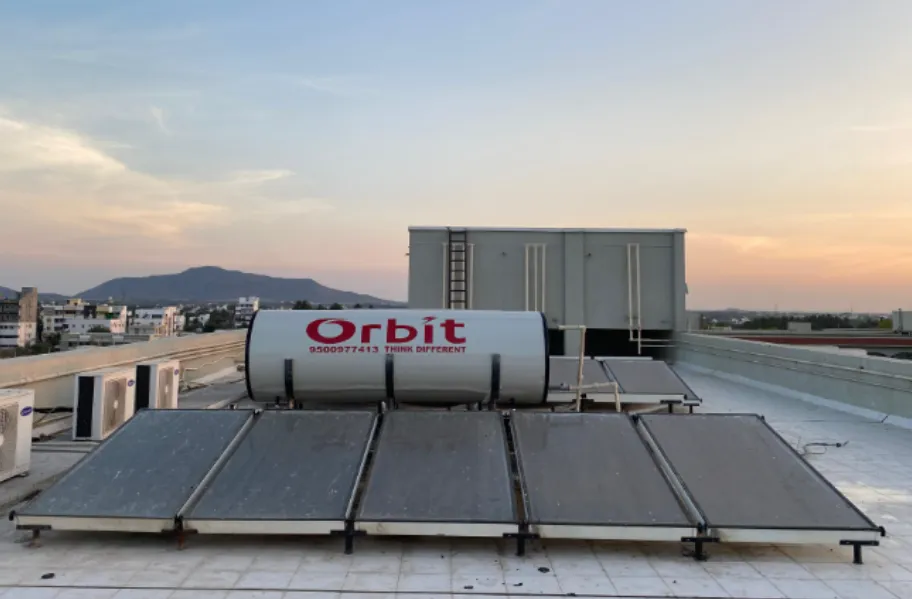
A pressured solar water-heating system is designed to operate under pressure rather than relying solely on a basic gravity-fed arrangement.
This can make it relevant for properties using pressure pumps, certain modern plumbing configurations, multiple bathrooms, or fixtures where balanced water delivery is important.
However, pressure requirements vary significantly between buildings.
The system should therefore be selected according to actual plumbing conditions rather than simply because 'pressured' sounds like a higher specification.
Check the Existing Plumbing System
Before choosing equipment, understand how cold and hot water currently move through the building.
Important questions include:
- Is a pressure pump installed?
- What pressure range does the plumbing operate at?
- How many bathrooms are served?
- Are multiple outlets used simultaneously?
- Where will the solar storage system be located?
- What type of existing heater is installed?
- Will the solar heater integrate with existing equipment?
These details help establish whether a pressured configuration is necessary and how it should be integrated.
Consider Simultaneous Hot-Water Demand
A small home and a hotel can both require pressured hot water, but their demand patterns are completely different.
A hotel may have several showers operating simultaneously. A residence may have only one or two active outlets.
Capacity and delivery requirements should therefore be calculated separately.
Simply increasing tank volume does not solve every pressure or flow issue.
Select Components for the Operating Conditions
A pressure-compatible system should be designed as a complete assembly.
The tank, valves, plumbing, fittings, collector arrangement, controls, and associated components should correspond with the expected operating pressure and temperature.
Installation should also account for appropriate safety and pressure-management provisions.
Consider Pondicherry's Site Environment
Properties in and around Pondicherry can experience varying environmental conditions depending on their location, including coastal exposure in some areas.
Outdoor equipment, mounting arrangements, plumbing, and material selection should therefore be considered according to the specific site.
The roof should also be evaluated for solar exposure, shading, structural conditions, and maintenance access.
Review Water Quality and Maintenance
Water quality can influence any water-heating installation.
Scaling and mineral accumulation may affect components over time, particularly when systems operate at elevated temperatures.
Buyers should understand recommended inspection and maintenance practices before commissioning.
Preventive maintenance is easier to plan when access points and equipment locations are considered during installation.
Know When the Property Is Ready
A pressured solar system becomes a stronger candidate when:
- The property already uses pressurised plumbing
- Multiple hot-water outlets may operate together
- Consistent delivery is important
- The building has sufficient installation space
- Plumbing integration can be properly designed
- Maintenance access is available
Orbit Solar India Pvt Ltd provides solar water-heating equipment and renewable energy solutions for residential, commercial, and institutional applications.
For a Pondicherry property, provider selection should include a proper assessment of plumbing pressure, hot-water demand, collector location, tank capacity, water conditions, and backup requirements.
The decision should ultimately be based on compatibility. A pressured system offers value when its design matches the building's water-delivery arrangement and user demand, not simply when it is selected as an upgrade from a conventional solar water heater.
Keywords